Why bad things happen to good people
Karma and destiny always felt like opposites to me. The Bhagavad Gita showed me they were never opposites at all. They were the same thing, just viewed from different distances.
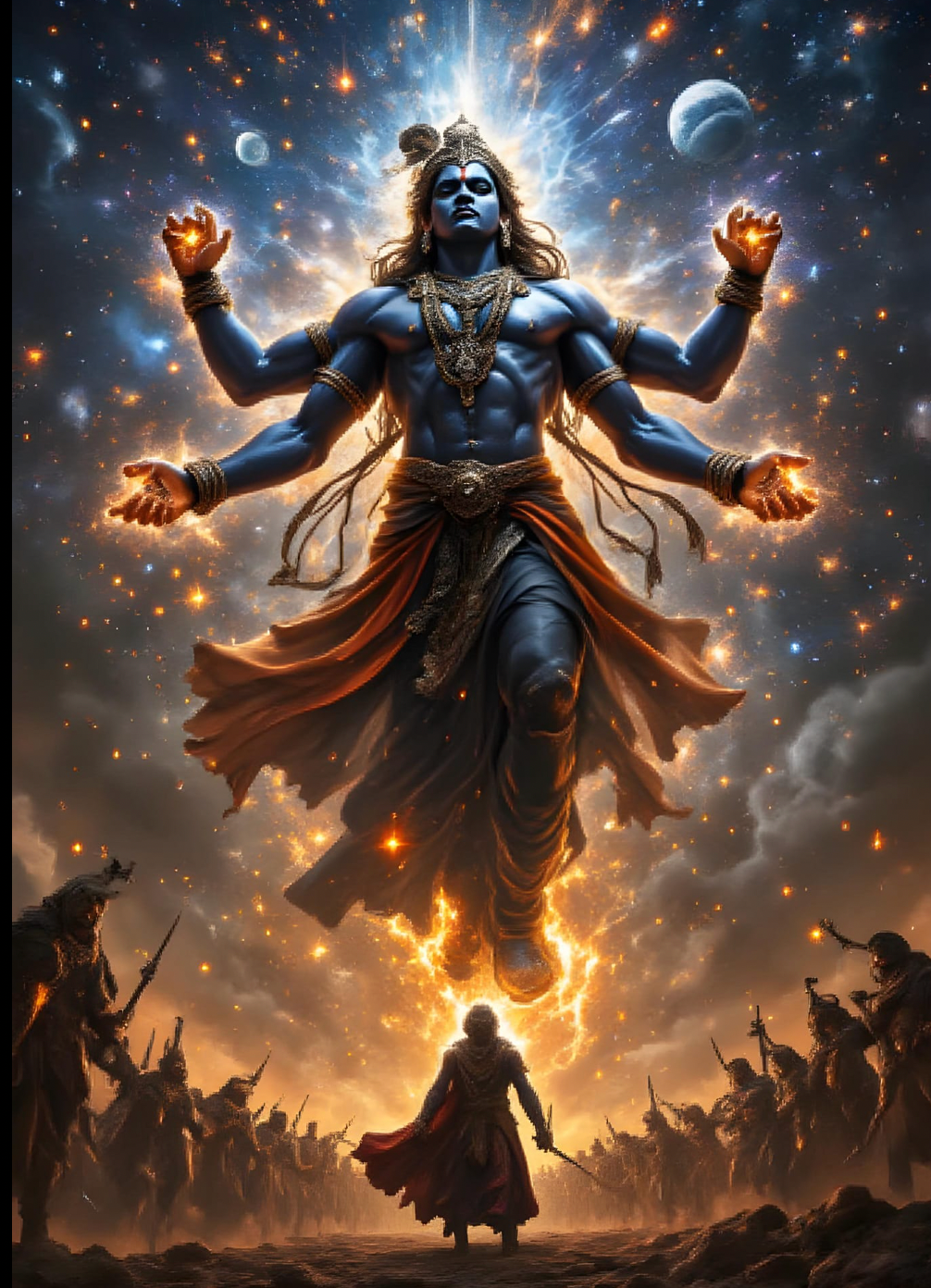
What the Bhagavad Gita Actually Taught Me About Karma (Why I had to unlearn what I thought I knew)
I want to say upfront - I came to the Bhagavad Gita as a student, and I am still very much one. What I share here is not scholarship. It is just what landed in me, and why.
I came to the Bhagavad Gita with a question I had been carrying for a while.
What is the purpose of my life?
It sounds like the kind of question someone asks dramatically in their twenties and then moves on from. But I genuinely did not know. And I was tired of pretending that hustle, goals, or the next milestone would eventually answer it for me.
So I signed up for a crash course. Four weeks. And somewhere between the first and the last session, a few things cracked something open in me. Not answers exactly. More like - new ways of looking at the same questions.
But before I tell you what the Bhagavad Gita said, I need to tell you about a phone call.
A few years ago, I was having one of those years. You know the kind - where you wake up every morning already tired, where things keep going wrong in ways that feel almost coordinated. Work was a mess. I was anxious in a way I could not fully explain. My family was going through its own storm. And I was younger then, a little more brittle, taking things far more seriously than they probably deserved.
One weekday I came home early from work, sat down, and called my sister.
Now - you need to understand my sister to understand this story. Picture someone draped in gemstones, surrounded by crystals, the kind of person who will read your tarot on a Tuesday evening without blinking. She exists on a completely different frequency from the rest of the world and has always been utterly unapologetic about it. I say this with enormous love.
We talked for a while about why things were spiralling - for me, for the family. I remember saying something like: we do good, we help people where we can, we're not terrible humans - so why is all of this happening?
And she said, very calmly: it's karmic debt.
I paused.
And then, I did what any younger sibling would do when their older, gemstone-wearing, crystal-reading sister says something in that tone — I mentally filed it under spiritual tantric words she says that are beyond my understanding and moved on.
I love her. But I did not get it. Not then.
Years later, I was sitting in a Bhagavad Gita session, and a teacher told me a story about Dhritarashtra.
You probably know him as the blind king from the Mahabharata. The one who lost all his hundred sons in the war at Kurukshetra. Grief like that is hard to even imagine. And if you were sitting with that grief, the first question you would ask is - why? Why me? Why a hundred sons? What did I do to deserve this?
He asked Krishna the same thing.
And Krishna told him a story from one hundred lifetimes ago.
Dhritarashtra had been a hunter in a past life. One day, he was being chased by a tiger. He climbed a tree to escape and waited - and waited - until hunger became unbearable. There, on a branch, he found a nest. A bird had laid a hundred eggs. And in that desperate, starving moment, he burned the nest and ate every one of them.
Not evil. Not monstrous. Just - desperate, and hungry, and human.
But that action created a karmic debt. A debt he would spend a hundred lifetimes building enough good karma to even be eligible to repay - as a king, as a father of a hundred sons. And then, at the moment when the karmic scales had to be balanced, he lost each one of them.
I sat with this story for a long time.
And then I thought about my sister. Sitting cross-legged, probably holding a crystal, telling me years ago exactly what Krishna told Dhritarashtra - and me nodding politely and filing it away as something I did not understand yet.
She was right. She was just early.
Here is what actually blew my mind about this story: it completely dissolved a contradiction I had held for years without realising it.
I used to think karma and destiny were opposites. Either the universe is a cause-and-effect machine where your choices matter, or your life is already written and you are just along for the ride. It always felt like you had to pick one.
But this story showed me they were never opposites. They were the same thing, just viewed from different distances.
Your destiny is your karmic accounting. The things that happen to you are not random. They are not punishment. They are not proof that the universe is indifferent. They are debts being settled - often from lives you do not even remember living.
There is a verse in the Bhagavad Gita: the intricacies of karma are hard to understand - always do karma, and never vikrama.
I used to hear "do good karma" as something you stitch onto a cushion. But now it has weight. You cannot audit the full ledger. You cannot know which karmic thread is being pulled when something painful arrives. And so the only sane, humble response is to keep your actions clean — not because you will be immediately rewarded, but because you genuinely cannot see all the consequences of what you do.
That is not fatalism. That is humility.
I started these sessions looking for purpose. I am not sure I found it in the clean, declarative way I was hoping for.
But I found something else: a framework for making sense of things that used to feel senseless. A way of looking at suffering that does not require me to either blame myself entirely or feel like a helpless victim of random forces.
And every now and then, I think about that phone call with my sister - me half-listening, her completely calm, gemstones and all - already knowing something it took me years and a four-week Bhagavad Gita course to finally understand.
Maybe wisdom does not land the first time. Maybe it just waits.
And maybe the people in your life who seem to be speaking in a language you don't understand yet - the ones you quietly dismiss, the ones who are a little too crystals-and-cosmos for your rational mind - maybe they are not wrong. Maybe you are just not ready.
I was not ready then. I think I am getting there now.
I want to say upfront - I came to the Bhagavad Gita as a student, and I am still very much one. What I share here is not scholarship. It is just what landed in me, and why.
I came to the Gita with a question I had been carrying for a while.
What is the purpose of my life?
It sounds like the kind of question someone asks dramatically in their twenties and then moves on from. But I genuinely did not know. And I was tired of pretending that hustle, goals, or the next milestone would eventually answer it for me.
So I signed up for a crash course. Four weeks. And somewhere between the first and the last session, a few things cracked something open in me. Not answers exactly. More like - new ways of looking at the same questions.
But before I tell you what the Gita said, I need to tell you about a phone call.
A few years ago, I was having one of those years. You know the kind - where you wake up every morning already tired, where things keep going wrong in ways that feel almost coordinated. Work was a mess. I was anxious in a way I could not fully explain. My family was going through its own storm. And I was younger then, a little more brittle, taking things far more seriously than they probably deserved.
One weekday I came home early from work, sat down, and called my sister.
Now - you need to understand my sister to understand this story. Picture someone draped in gemstones, surrounded by crystals, the kind of person who will read your tarot on a Tuesday evening without blinking. She exists on a completely different frequency from the rest of the world and has always been utterly unapologetic about it. I say this with enormous love.
We talked for a while about why things were spiralling - for me, for the family. I remember saying something like: we do good, we help people where we can, we're not terrible humans - so why is all of this happening?
And she said, very calmly: it's karmic debt.
I paused.
And then, I did what any younger sibling would do when their older, gemstone-wearing, crystal-reading sister says something in that tone - I mentally filed it under spiritual tantric words she says that are beyond my understanding and moved on.
I love her. But I did not get it. Not then.
Years later, I was sitting in a Gita session, and a teacher told me a story about Dhritarashtra.
You probably know him as the blind king from the Mahabharata. The one who lost all his hundred sons in the war at Kurukshetra. Grief like that is hard to even imagine. And if you were sitting with that grief, the first question you would ask is - why? Why me? Why a hundred sons? What did I do to deserve this?
He asked Krishna the same thing.
And Krishna told him a story from one hundred lifetimes ago.
Dhritarashtra had been a hunter in a past life. One day, he was being chased by a tiger. He climbed a tree to escape and waited - and waited - until hunger became unbearable. There, on a branch, he found a nest. A bird had laid a hundred eggs. And in that desperate, starving moment, he burned the nest and ate every one of them.
Not evil. Not monstrous. Just - desperate, and hungry, and human.
But that action created a karmic debt. A debt he would spend a hundred lifetimes building enough good karma to even be eligible to repay - as a king, as a father of a hundred sons. And then, at the moment when the karmic scales had to be balanced, he lost each one of them.
I sat with this story for a long time.
And then I thought about my sister. Sitting cross-legged, probably holding a crystal, telling me years ago exactly what Krishna told Dhritarashtra - and me nodding politely and filing it away as something I did not understand yet.
She was right. She was just early.
Here is what actually blew my mind about this story: it completely dissolved a contradiction I had held for years without realising it.
I used to think karma and destiny were opposites. Either the universe is a cause-and-effect machine where your choices matter, or your life is already written and you are just along for the ride. It always felt like you had to pick one.
But this story showed me they were never opposites. They were the same thing, just viewed from different distances.
Your destiny is your karmic accounting. The things that happen to you are not random. They are not punishment. They are not proof that the universe is indifferent. They are debts being settled — often from lives you do not even remember living.
There is a verse in the Gita: the intricacies of karma are hard to understand — always do karma, and never vikrama.
I used to hear "do good karma" as something you stitch onto a cushion. But now it has weight. You cannot audit the full ledger. You cannot know which karmic thread is being pulled when something painful arrives. And so the only sane, humble response is to keep your actions clean - not because you will be immediately rewarded, but because you genuinely cannot see all the consequences of what you do.
That is not fatalism. That is humility.
I started these sessions looking for purpose. I am not sure I found it in the clean, declarative way I was hoping for.
But I found something else: a framework for making sense of things that used to feel senseless. A way of looking at suffering that does not require me to either blame myself entirely or feel like a helpless victim of random forces.
And every now and then, I think about that phone call with my sister - me half-listening, her completely calm, gemstones and all - already knowing something it took me years and a four-week Gita course to finally understand.
Maybe wisdom does not land the first time. Maybe it just waits.
And maybe the people in your life who seem to be speaking in a language you don't understand yet - the ones you quietly dismiss, the ones who are a little too crystals-and-cosmos for your rational mind - maybe they are not wrong. Maybe you are just not ready.
I was not ready then. I think I am getting there now.